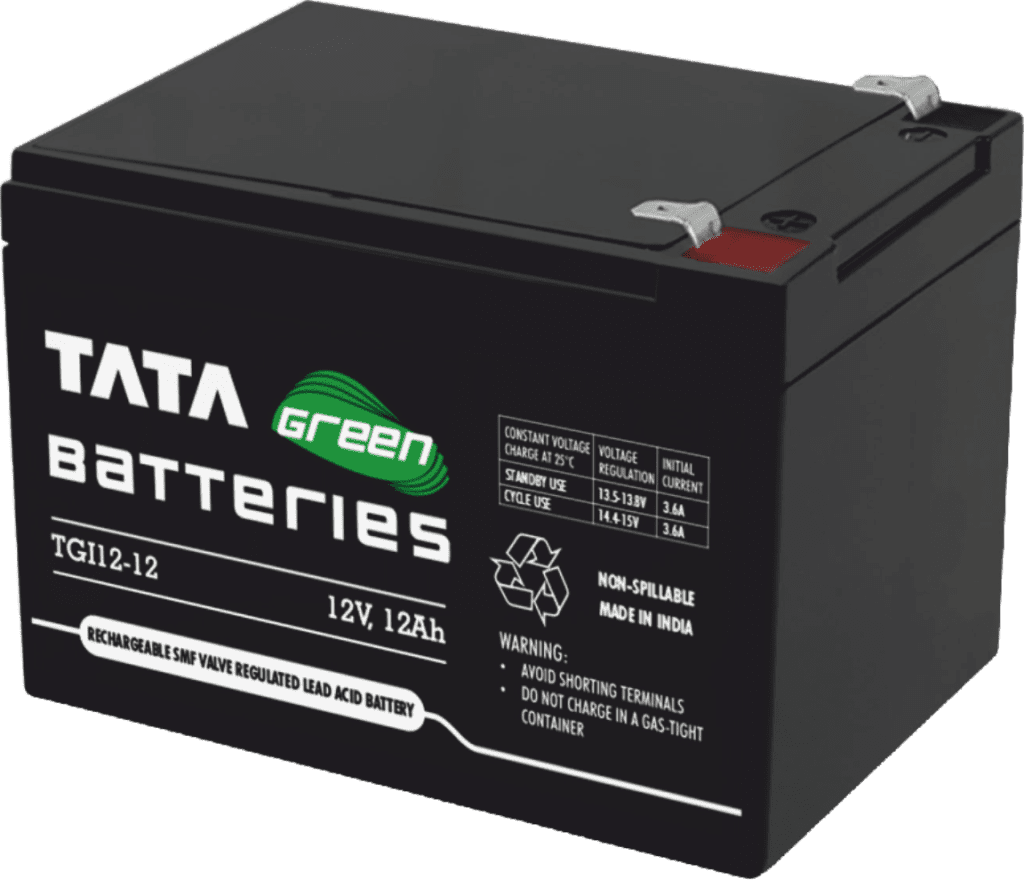
The Hidden Chemistry: How Battery Technology Powers Your Favorite Gadgets
In our tech-driven world, battery technology plays a crucial role in powering our favorite gadgets, from smartphones to laptops. The hidden chemistry behind batteries lies in the intricate processes of electrochemistry, where chemical reactions convert stored energy into electrical energy. Most commonly, lithium-ion batteries are favored for their high energy density and longevity. These batteries consist of a positive electrode made of lithium cobalt oxide and a negative electrode made of graphite, immersed in a liquid electrolyte. This setup enables efficient transport of lithium ions during charging and discharging, allowing our devices to operate seamlessly and for extended periods.
As we delve deeper into the chemistry of batteries, it's essential to recognize the impact of innovative technologies on performance and sustainability. Recent advancements, such as solid-state batteries and the incorporation of nanomaterials, aim to enhance energy storage capacity while reducing environmental impact. Highlighting these advancements, battery technology is not just about powering devices but also about paving the way for a greener future. As researchers continue to explore new materials and methods, we can expect significant improvements that will further revolutionize our gadgets and everyday experiences.
If you're looking for portable audio solutions, check out the Top 10 Small Bluetooth Speakers that deliver impressive sound quality without taking up too much space. These compact speakers are perfect for travel, outdoor adventures, or simply enjoying music at home. With various styles and features available, you're sure to find one that suits your needs.
Lifecycle of a Gadget: Understanding Battery Life and Performance
The lifecycle of a gadget is intricately tied to its battery life and performance, which play a crucial role in determining the overall user experience. When purchasing any electronic device, understanding how its battery functions is essential. Most gadgets utilize lithium-ion batteries, known for their high energy density and rechargeable capabilities. Over time, these batteries experience a natural degradation process, leading to diminished capacity and performance. This can be quantified in various ways, such as charge cycles, where one complete cycle consists of charging the battery from 0% to 100%. In essence, the lifespan of a gadget's battery can significantly impact how well the device performs during its usable life.
To maximize your gadget's battery life, users can adopt several best practices. Firstly, avoid leaving devices plugged in overnight, as prolonged charging can lead to overheating and accelerated wear. Additionally, adjust the brightness settings of your screen or activate power-saving modes to conserve energy. Other tips include regularly updating software, managing background applications, and utilizing battery optimization features. By being mindful of these strategies, consumers can extend the lifespan of their gadgets while ensuring optimal performance, ultimately enhancing the overall lifecycle of the device.
What Makes a Battery Tick? Common Myths and Facts About Your Devices' Power Sources
Batteries power our everyday devices, but many people harbor myths about how they function. One common misconception is that leaving a battery plugged in when fully charged can cause damage. In reality, modern devices are equipped with smart charging technology that prevents overcharging by cutting off the power supply once the battery reaches full charge. However, it's important to understand that heat can affect battery lifespan, so keeping devices cool is essential for long-term performance.
Another widespread belief is that all batteries are the same, but this couldn’t be further from the truth. There are various types of batteries, including lithium-ion, nickel-metal hydride, and alkaline, each with unique properties and uses. For optimal battery health, it’s crucial to match your device with the correct battery type and understand the maintenance tips associated with them, such as avoiding extreme temperatures and knowing when to recharge.