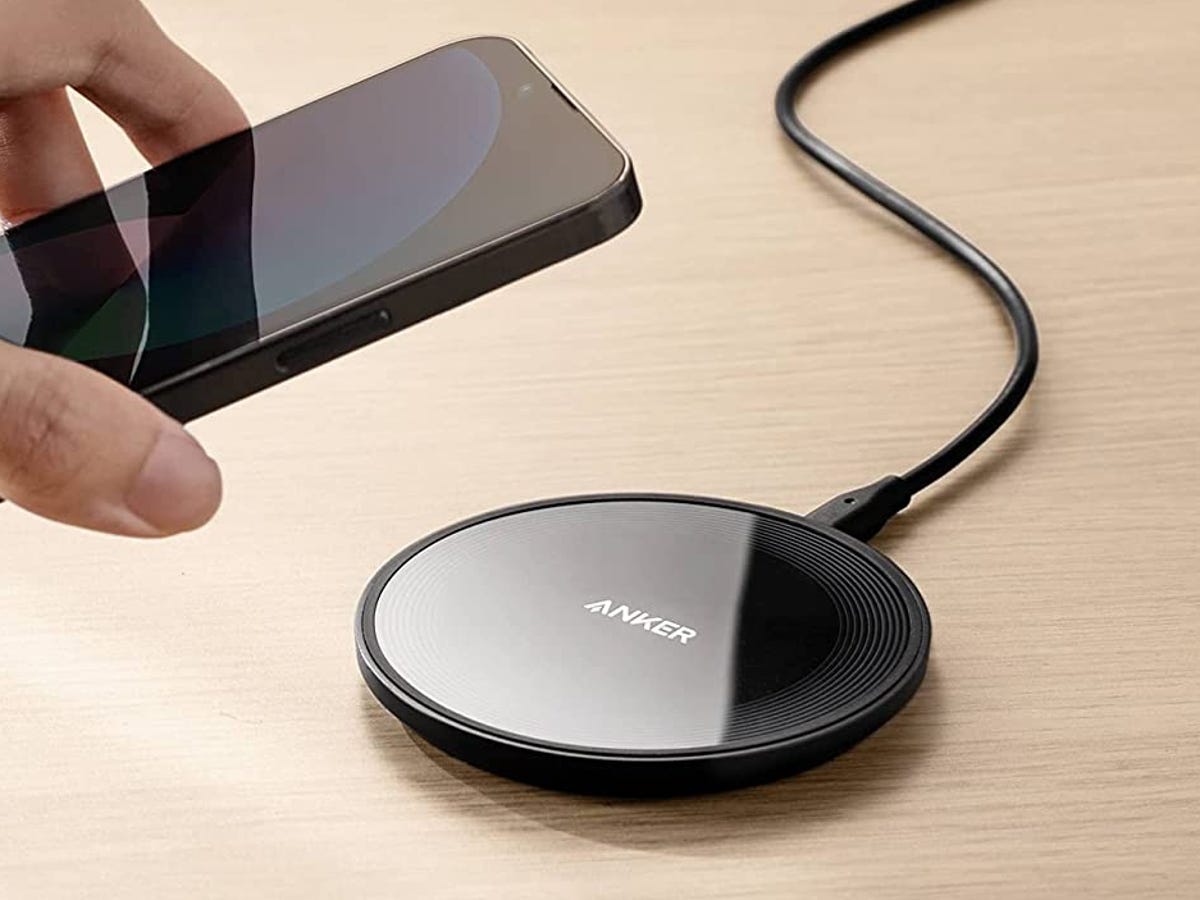
How Wireless Power Transfer Works: An In-Depth Exploration
Wireless Power Transfer (WPT) is an innovative technology that enables the transmission of electrical energy without the need for physical connections. At its core, WPT relies on electromagnetic fields to transfer power between two coils: a transmitter and a receiver. The process typically involves inductive coupling, where an alternating current (AC) creates a magnetic field around the transmitter coil. This magnetic field induces a voltage in the receiver coil, allowing power to be transferred without wires. Some common applications of this technology include wireless charging pads for mobile devices, electric vehicles, and even powering medical implants embedded within the human body.
There are several advantages to using Wireless Power Transfer, making it an appealing choice for many modern applications. Firstly, it eliminates the wear and tear associated with traditional connectors, thus enhancing durability and reducing maintenance costs. Additionally, WPT can enhance user convenience, as it allows devices to charge simply by being placed within proximity of the power source. However, it is crucial to consider factors such as efficiency, range, and safety to ensure optimal performance. Ongoing advancements in technology continue to improve these aspects, paving the way for a more widespread adoption of wireless power solutions.
Counter-Strike is a popular tactical first-person shooter game that emphasizes teamwork and strategy. Players can choose to be either terrorists or counter-terrorists, working to complete objectives or eliminate the opposing team. For gamers looking to keep their devices protected while playing, check out the Top 10 Clear Anti Yellow Phone Cases to ensure their phone stays safe and stylish.
The Benefits and Limitations of Wireless Charging Technology
The emergence of wireless charging technology has transformed the way we power our devices, offering a host of benefits that enhance user experience. One of the primary advantages is convenience; users no longer need to fumble with tangled cords. Simply placing a compatible device on a charging pad eliminates the hassle of plugging and unplugging chargers. Additionally, many wireless charging solutions support multiple devices at once, further simplifying the charging process in households or offices where various gadgets coexist. Faster charging options are also available, allowing users to power up their devices efficiently without sacrificing speed.
However, despite its numerous benefits, wireless charging technology comes with certain limitations. One significant drawback is the slower charging speeds compared to traditional wired chargers, which may frustrate users in urgent situations. Additionally, the technology often requires precise alignment between the device and the charging pad to function effectively; even a slight misplacement can disrupt the charging process. Furthermore, compatibility issues may arise as not all devices support wireless charging, creating challenges for users with older gadgets. Collectively, these factors highlight the need for careful consideration when adopting wireless charging solutions.
Will Wireless Charging Replace Traditional Methods in the Future?
The evolution of technology has brought us to the cusp of a significant shift in how we charge our devices. Wireless charging has gained traction as a convenient alternative to traditional methods, allowing users to simply place their devices on a charging pad without the hassle of plugging and unplugging cables. This technology utilizes electromagnetic fields to transfer energy from the charger to the device, making it not only user-friendly but also potentially longer-lasting for the device's charging port. As more smartphones, tablets, and wearables adopt this standard, the question arises: will wIREless charging ultimately replace traditional charging methods in the future?
While wIREless charging brings several advantages, such as improved convenience and reduced wear on charging ports, there are still challenges to overcome before it can fully replace traditional methods. For instance, charging speed and efficiency currently lag behind wired solutions, and issues related to heat generation and compatibility with various device models remain. However, as technology advances and innovative solutions emerge, we may witness a more widespread adoption of wIREless charging in everyday life. In conclusion, while it's too early to definitively say that traditional charging methods will be phased out, the potential of wIREless charging makes it a compelling contender for the future of energy transfer.