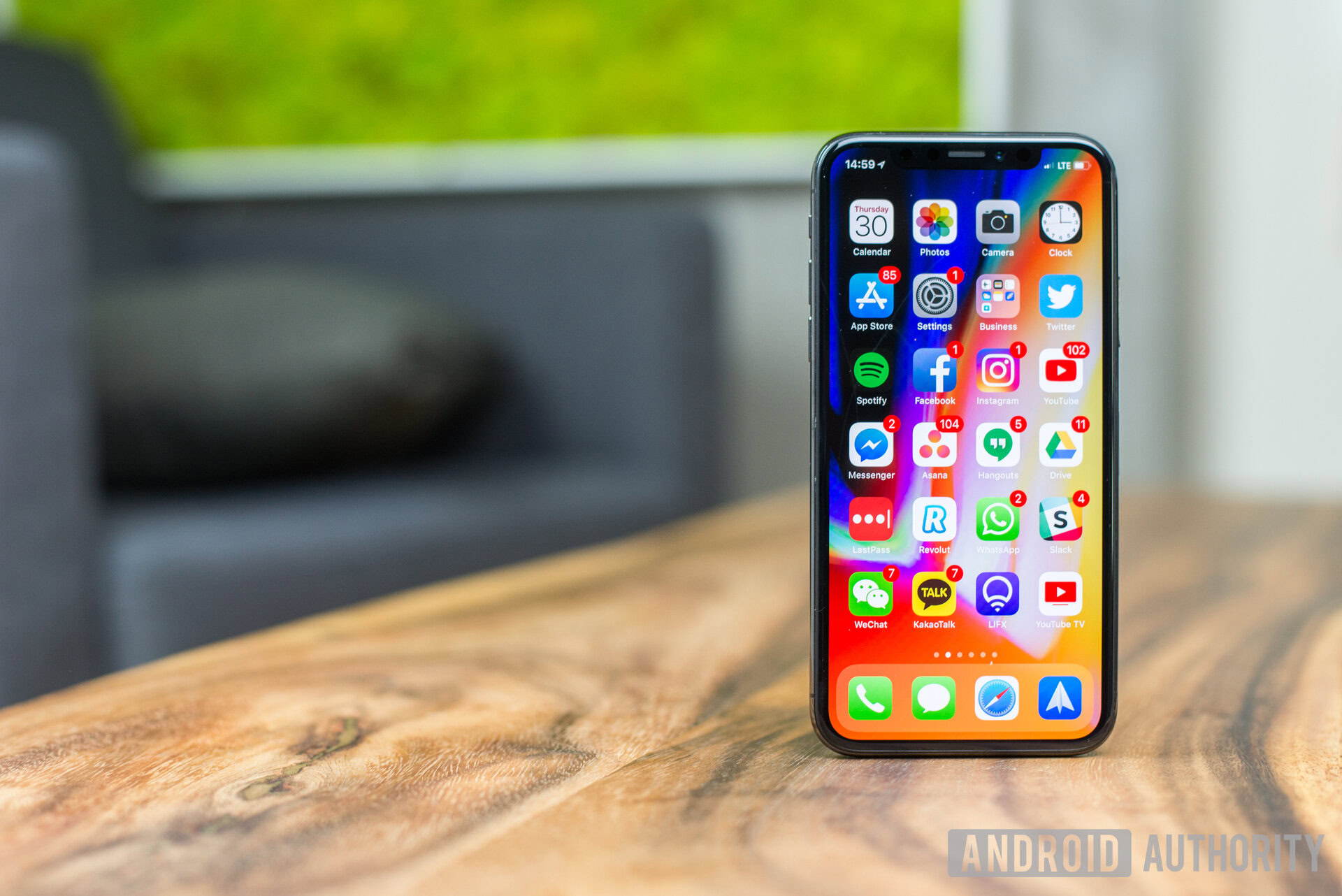
How Smartphones Have Reshaped Communication in the 21st Century
In the 21st century, smartphones have fundamentally transformed the way we communicate. The introduction of instant messaging apps, social media platforms, and video conferencing tools has created a paradigm shift in interpersonal connections. No longer bound by geographical constraints, individuals can now connect with friends, family, and colleagues across the globe in real-time. This new era of communication has fostered a more interconnected world, allowing for the rapid exchange of ideas and information.
Furthermore, smartphones have introduced an unprecedented level of convenience and accessibility to our daily communication. With just a few taps on a screen, users can send text messages, share multimedia content, or engage in voice and video calls. This level of immediacy has shaped not only personal relationships but also professional interactions. Businesses leverage these technologies to enhance collaboration, improve customer service, and streamline internal communications, significantly impacting the overall efficiency and effectiveness of organizational operations.
Counter-Strike is a highly popular multiplayer first-person shooter game that emphasizes teamwork and strategy. Players join either the terrorist or counter-terrorist team to complete objectives, such as planting or defusing bombs. For gamers interested in enhancing their YouTube channels, consider checking out the Top 10 Phone Accessories for YouTube to improve their streaming and recording setup.
The Role of Smartphones in Enhancing Productivity: A Deep Dive
Smartphones have revolutionized the way we approach daily tasks and responsibilities, serving as powerful tools that enhance our productivity. With a myriad of applications designed for organization, communication, and time management, these devices have become indispensable in both personal and professional settings. Features such as calendar reminders, task management applications, and instant messaging services allow users to stay on top of their commitments and collaborate effectively with colleagues and clients. Furthermore, the accessibility of mobile internet means that work can be done anytime and anywhere, blurring the lines between office hours and personal time but also providing unparalleled flexibility.
Moreover, the integration of smartphones with various productivity tools streamlines workflow and fosters efficiency. For example, applications like Google Drive and Trello enable users to access, share, and edit documents in real-time, making team collaboration smoother than ever. The ability to sync across devices ensures that important information is always at one’s fingertips. As a result, employees can respond to inquiries and complete tasks while on the go, minimizing downtime and allowing for a more agile work environment. In an era where time is money, leveraging the full potential of smartphones is critical for anyone looking to maximize their productivity.
Are Smartphones Making Us Smarter or More Distracted?
The debate over whether smartphones are making us smarter or more distracted continues to gain momentum. On one hand, smartphones provide access to a vast reservoir of information, enabling users to learn and explore new topics from anywhere at any time. Features such as educational apps, online courses, and instant access to knowledge have empowered individuals to become lifelong learners. For example, platforms like Khan Academy and Duolingo make it easier than ever to acquire new skills and languages, making a strong case for the argument that our handheld devices enhance our cognitive abilities.
Conversely, the constant notifications, social media distractions, and app overload can lead to decreased attention spans and productivity. According to a study by the Pew Research Center, a staggering 89% of smartphone users report feeling the urge to check their devices frequently, which can result in diminished focus and interrupted tasks. In this context, it becomes critical to strike a balance: leveraging the beneficial aspects of smartphones for learning while managing their distracting elements. Ultimately, the impact of smartphones on our intelligence may lie in how we choose to use them.