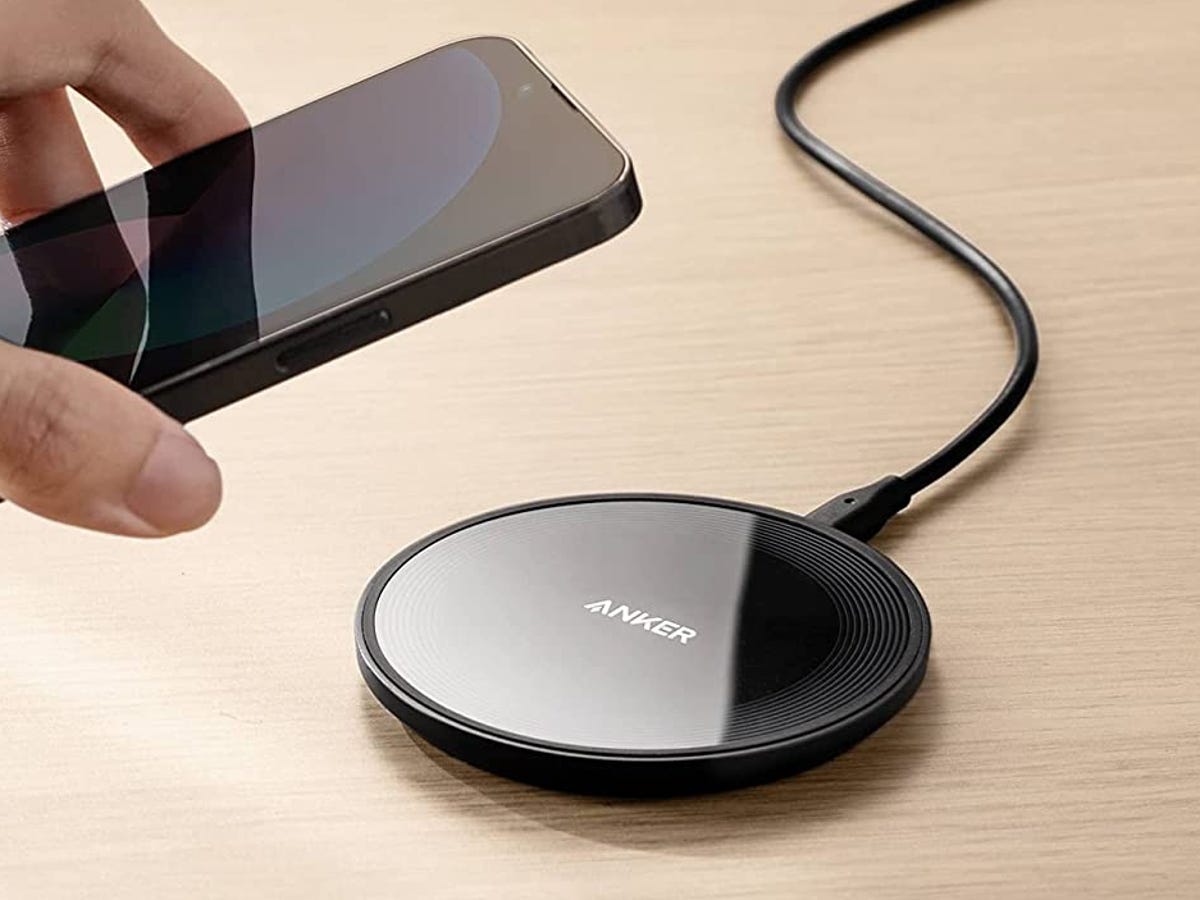
Exploring the Advantages of Wireless Charging: Why It's the Future of Tangle-Free Tech
The rise of wireless charging technology represents a significant leap forward in the realm of modern convenience and efficiency. With the elimination of the tangled cords and fragile connections associated with traditional charging methods, users can now enjoy a truly tangle-free tech experience. This innovative charging method utilizes electromagnetic fields to transfer energy from a charging pad to a device, providing an easy drop-and-go functionality that fits seamlessly into today’s fast-paced lifestyle. As devices become increasingly reliant on battery power, wireless charging offers a solution that simplifies the process of keeping our gadgets powered up.
Beyond its convenience, wireless charging paves the way for a future of smart technology integration. Many new devices are designed with this technology in mind, allowing for the development of aesthetically pleasing and clutter-free spaces. Imagine a desktop that has charging stations embedded within the surface, or public spaces equipped with wireless charging pads to keep users connected on-the-go. As more manufacturers adopt this standard and increase its accessibility, it’s clear that wireless charging is not just a passing trend; it’s a crucial element of the tech landscape that epitomizes the shift toward a more convenient and connected world.
Counter-Strike is a popular series of first-person shooter games that has garnered a massive following since its inception. Known for its tactical gameplay and team-based strategy, players can choose to play as terrorists or counter-terrorists. For those looking to enhance their gaming experience, check out the Top 10 Clear Anti Yellow Phone Cases to protect their devices while gaming on the go.
How Does Wireless Charging Work? A Deep Dive into the Technology
Wireless charging is a technology that allows the transfer of electrical energy from a charger to an electronic device without the need for physical connectors. This process relies on electromagnetic fields to transfer energy between two coils: a transmitter coil located in the charging pad and a receiver coil within the device. When you place your smartphone or other compatible devices on the charging pad, the transmitter coil creates an alternating magnetic field, which induces an electric current in the receiver coil. This current then gets converted back into usable direct current (DC) power to charge the device's battery.
At the heart of wireless charging technology is a principle known as electromagnetic induction. To better understand this technology, we can break it down into three main components: the power source, the charging pad, and the receiving device. First, the power source sends energy to the charging pad, where the transmitter coil generates the magnetic field. Next, the receiver coil captures this magnetic energy, and finally, the device's internal circuits convert it back into electrical energy. One of the most significant standards for wireless charging is the Qi standard, which ensures compatibility across a range of devices, making it easier for users to embrace this innovative technology.
Are There Any Downsides to Wireless Charging? What You Need to Know
Wireless charging has quickly become a popular feature for modern devices, offering convenience and ease of use. However, it's important to recognize that there are some downsides to wireless charging that users should consider. For instance, the charging speed of wireless systems is generally slower compared to traditional wired charging methods. This might lead to users experiencing longer downtime for their devices, particularly if they rely on devices that demand quick recharges throughout the day.
Another major concern when discussing the downsides to wireless charging is the potential for overheating. Many users have reported that their devices can become noticeably warm during the charging process, especially if they're using cases made of thicker materials. Heat can adversely affect battery life over time, leading to reduced performance and the need for more frequent battery replacements. Additionally, wireless chargers can be more expensive than their wired counterparts, which is an important consideration for budget-minded consumers.