10 Innovative Player Engagement Mechanics Every Game Developer Should Know
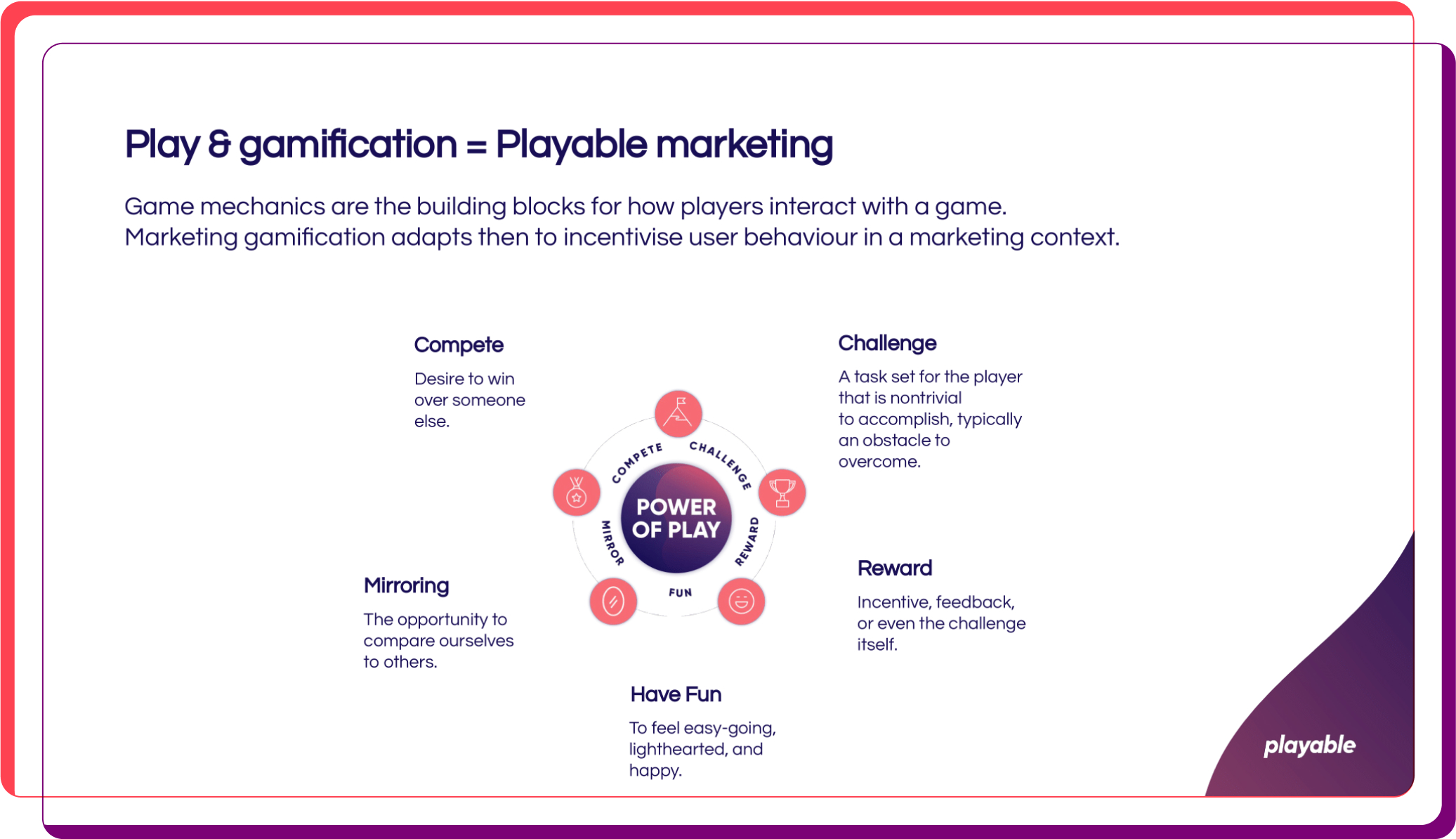
In the competitive landscape of game development, player engagement mechanics have become crucial for retaining players and enhancing their overall experience. Here are 10 innovative tactics that every developer should consider:
- Dynamic Storytelling: Create narratives that evolve based on player choices, making each playthrough unique.
- Tiered Reward Systems: Introduce multi-level rewards that keep players motivated to reach the next milestone.
- Social Features: Implement sharing options and leaderboards to foster a sense of community among players.
- Augmented Reality (AR) Elements: Incorporate AR to bring the game into the real world, enhancing the immersive experience.
- Cross-Platform Play: Allow players to engage from different devices, ensuring accessibility and broader involvement.
Additionally, consider these innovative player engagement mechanics:
- In-Game Events: Host live events that encourage real-time participation, generating excitement and interaction.
- Feedback Loops: Establish mechanisms for players to provide feedback on game features, making them feel heard and valued.
- Gamification of Non-Gaming Activities: Integrate game mechanics into daily tasks or learning activities to motivate engagement beyond the screen.
- Customizable Avatars and Skills: Allow players to personalize their characters and abilities to deepen their emotional connection to the game.
- Expanding Lore through Community Contributions: Encourage players to contribute lore or narratives, thereby building a rich and engaging universe together.
Counter-Strike is a popular first-person shooter game that has gained a massive following since its release. Players can engage in tactical team-based gameplay, with various modes that test their skills and strategies. For those looking to enhance their gaming experience, using a duelbits promo code can provide exciting benefits and bonuses.
How to Use Feedback Loops to Enhance Player Retention
Feedback loops play a crucial role in enhancing player retention by creating a continuous cycle of interaction between players and game developers. By actively soliciting and implementing player feedback, developers can better understand player preferences, pain points, and behaviors. This process involves several key steps:
- Gathering Feedback: Utilize surveys, in-game prompts, and community forums to collect player opinions and experiences.
- Analyzing Data: Examine the feedback to identify trends and common issues that players encounter.
- Implementing Changes: Make data-driven adjustments to the game, focusing on areas that require improvement.
Once changes are made, it's essential to communicate these updates back to the players, fostering a sense of community and involvement. Acknowledging player input through patch notes, blog updates, or social media reinforces that their feedback is valued, which in turn boosts player loyalty. Additionally, creating a structured feedback loop encourages players to continue providing insights, knowing their voices are heard. By consistently refining the gaming experience based on player feedback, you not only enhance player retention but also cultivate a more engaged and satisfied player base.
Are You Maximizing Player Engagement? Common Mistakes to Avoid
Maximizing player engagement is essential for any gaming platform or community, yet many fail to recognize the common pitfalls that can hinder their success. One major mistake to avoid is neglecting feedback. Players thrive when they feel heard and appreciated, so implementing a system to collect and act upon feedback can significantly enhance their experience. Additionally, failing to update content regularly can lead to disengagement; stale gameplay can drive players away. Ensure that you are frequently introducing new challenges, updates, and events to keep the excitement alive and remind players of the reasons they started playing in the first place.
Another critical error is overlooking community interaction. A vibrant community can elevate player engagement, but without active moderation and participation, the atmosphere can quickly turn sour. Foster open communication channels and encourage positive interactions through events or forums where players can share their experiences and strategies. Lastly, don't underestimate the importance of personalization; customizing player experiences can create a stronger connection to the game. This could include tailored recommendations or rewards that cater to individual player preferences, making them feel valued within the community.