10 Innovative Workspace Designs to Spark Your Creativity
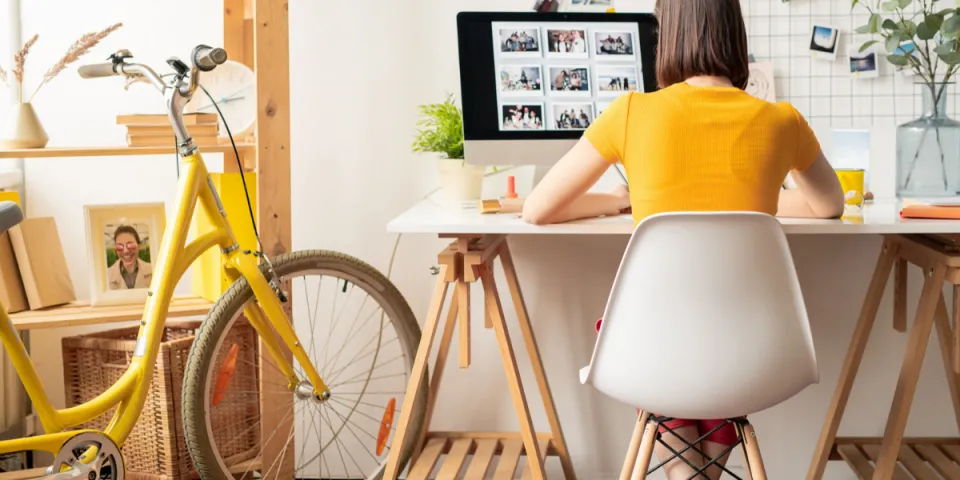
In today's fast-paced world, the importance of a well-designed workspace cannot be understated. Innovative workspace designs can significantly enhance creativity and productivity, helping you to think outside the box. From open-plan offices that encourage collaboration to cozy, personalized nooks that offer solitude, the right environment can inspire fresh ideas. Here are 10 innovative workspace designs that are sure to spark your creativity:
- The Biophilic Office: Incorporating elements of nature into your workspace, such as plants and natural light, can boost mood and creativity.
- Flexible Workstations: These allow employees to change their work environment throughout the day, promoting both collaboration and focus.
- Quiet Zones: Designated areas for deep work minimize distractions and allow for concentrated brainstorming.
- Creative Break Rooms: Spaces furnished with games, art supplies, and comfortable seating can help rejuvenate your mind.
- Zen Spaces: Calm and serene environments that incorporate mindfulness elements to reduce stress.
- Collaborative Hubs: Open areas designed for teamwork and brainstorming encourage idea-sharing.
- Interactive Walls: Writable surfaces promote spontaneous brainstorming sessions.
- Customization: Providing the option for employees to decorate their workspaces fosters a sense of ownership.
- Tech-Integrated Spaces: Smart desks and smartboards can enhance efficiency and creativity in brainstorming sessions.
- Community Areas: Spaces where employees can socialize and share ideas create a sense of belonging and innovation.
If you're looking to keep your keyboard spotless, consider checking out the Top 10 Keyboard Cleaning Gels. These gels are designed to effectively remove dirt, dust, and debris from hard-to-reach areas. Many users find them easy to use and highly effective for maintaining a clean workspace.
How Color Psychology Influences Your Workspace Design
Color psychology plays a vital role in shaping our moods, behaviors, and productivity levels in the workplace. By carefully choosing colors for your workspace design, you can create an environment that enhances creativity and focus. For example, shades of blue are often associated with calmness and professionalism, making them ideal for office spaces where concentration is key. On the other hand, vibrant colors like yellow can stimulate mental activity and inspire creativity, making them suitable for brainstorming areas.
Utilizing color theory in your workspace design not only influences individual performance but also affects team dynamics. For instance, using warm colors like reds and oranges can promote energy and enthusiasm, fostering collaboration and engagement among team members. Color psychology can also reinforce brand identity—incorporating colors that align with your company’s ethos can create a cohesive atmosphere, making an impactful first impression on clients and visitors alike.
Are Open-Plan Offices Dead? Exploring New Trends in Workspace Layouts
The trend towards open-plan offices has long been the darling of modern workplace design, promoted for their supposed ability to foster collaboration and communication. However, recent studies suggest that these spaces may not be as beneficial as once thought. A significant number of employees report feelings of distraction and decreased productivity due to noise and lack of privacy. As a response to these drawbacks, many organizations are now reassessing the efficacy of open layouts and exploring alternatives that cater to varying work styles and needs.
New trends in workspace layouts are moving towards a more hybrid approach that combines aspects of open-plan offices with private spaces. Innovations like flexible workstations, quiet zones, and collaboration hubs are gaining popularity. These designs aim to provide employees with the freedom to choose their environment based on the task at hand, ultimately enhancing their overall work experience. As companies continue to prioritize well-being and productivity, the death of the open-plan office may be less about its complete demise and more about its evolution into a more balanced workspace.