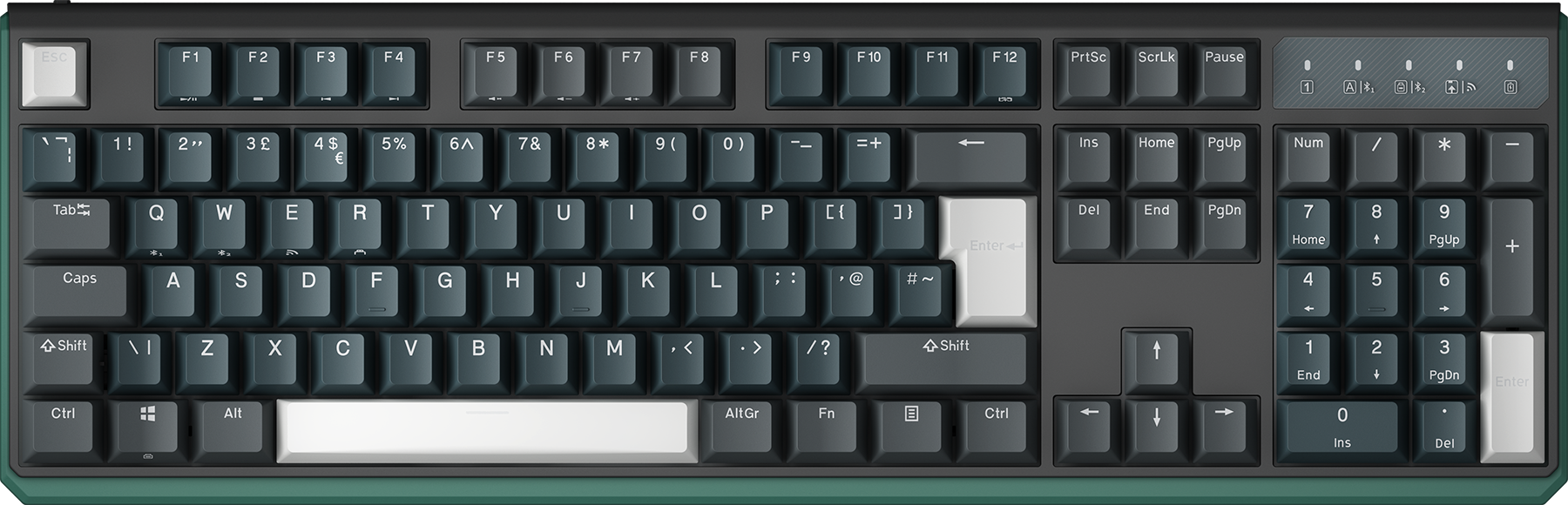
Top 5 Key Features to Consider When Crafting Your Ideal Keyboard Setup
Creating your ideal keyboard setup requires careful consideration of several key features that can greatly enhance your typing experience. First and foremost, switch type plays a crucial role in determining the feel and sound of your keyboard. Mechanical switches, for instance, offer tactile feedback, which can be preferred by typists, while membrane switches are typically quieter and more affordable. Additionally, keycap material is another important aspect to consider; PBT keycaps are more durable than ABS and can provide a more satisfying texture over time. Ultimately, understanding these switch and keycap differences is vital in crafting a personalized keyboard setup.
Another essential feature to evaluate when designing your keyboard setup is the keyboard layout. Full-sized keyboards provide a traditional layout with a number pad, but if space is a concern, tenkeyless or compact layouts offer a more streamlined option. Furthermore, consider the key layout, including whether you prefer standard keys or a custom configuration for macros that enhance productivity. Finally, don’t overlook the backlighting options. RGB lighting can add a visual appeal to your workspace and improve visibility in low-light conditions, making it a practical choice for many users.
If you're looking to enhance your gaming or typing experience, coiled keyboard cables are a stylish and functional choice. The Top 10 Coiled Keyboard Cables offer a variety of styles and lengths to suit any setup, making them a great addition to your peripherals. These cables not only provide a unique aesthetic but also help in managing cable clutter with their flexible design.
How to Choose the Perfect Key Switches for Your Typing Style
Choosing the perfect key switches for your typing style is essential for enhancing both your productivity and comfort. Key switches vary in feel, sound, and actuation force, which can significantly impact your typing experience. To start, consider the different types of key switches available:
- Mechanical Switches: Known for their tactile feedback and durability, mechanical switches come in various types (such as Cherry MX, Gateron, and Kailh) that cater to different preferences.
- Membrane Switches: Typically quieter and softer, membrane switches may be ideal for those who prefer a quieter typing experience.
- Hybrid Switches: Offering a blend of mechanical feel with the softness of membrane, these switches can be a middle ground for users.
Next, assess your typing habits. If you are a coder or writer, you might prefer tactile switches that provide feedback with each keystroke, reducing typing fatigue. For gaming enthusiasts, linear switches may be suitable due to their smooth keypress without any tactile bump. It’s also important to consider the actuation force—the amount of pressure needed to register a keystroke. A lighter actuation force can lead to faster typing but might also result in more accidental key presses. To find the right balance, try out different switches at a local store or through a key switch sampler before making the final decision.
Is Wireless or Wired the Best Option for Your Keyboard Setup?
When it comes to choosing between wired and wireless keyboard setups, each option presents unique advantages that cater to different user needs. Wired keyboards are often favored for their reliability and minimal latency, making them ideal for gamers and professionals who require a fast and consistent response. They also eliminate the need for batteries, ensuring uninterrupted use. On the other hand, wireless keyboards offer enhanced convenience and portability, allowing users to free their workspace from cables and comfortably type from a distance. This flexibility is particularly appealing for those who value a clean aesthetic or often work from multiple locations.
Ultimately, the decision between wired and wireless keyboards should be based on your personal preferences and usage scenarios. For instance, if you prioritize performance and intend to use your keyboard for gaming or intensive tasks, a wired setup might be the best option. Conversely, if you seek a cleaner setup or require mobility, a wireless keyboard could be more suitable. Assessing the pros and cons of each option helps in making a choice that will enhance your overall productivity and comfort.