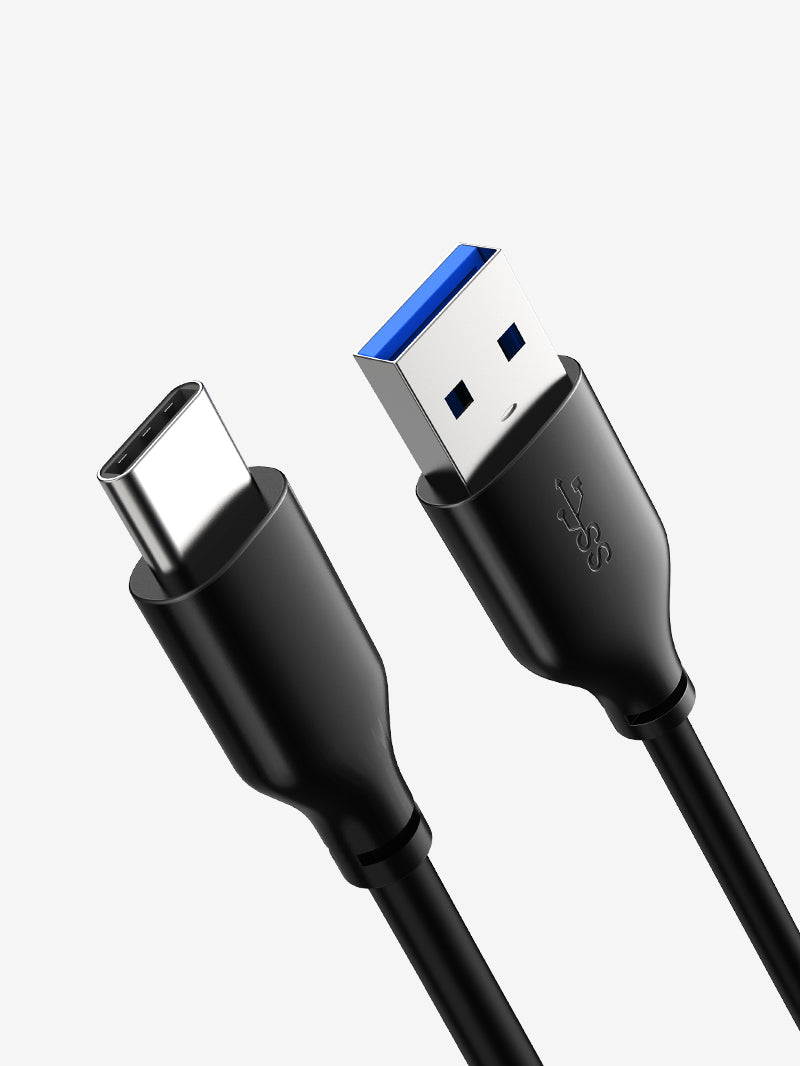
The Rise of USB-C: How This Connector Became the Standard for Modern Devices
The rise of USB-C has transformed the way we connect and charge our devices, quickly becoming the standard in modern technology. Introduced in 2014, this versatile connector offers numerous advantages over its predecessors, including reversible design, faster data transfer speeds, and the ability to deliver higher power for charging. As manufacturers began to recognize these benefits, we started to see its widespread adoption in a variety of devices ranging from smartphones and laptops to tablets and accessories. Major tech companies readied themselves for the shift, and today, USB-C ports are now ubiquitous in flagship models across the industry.
One of the key factors contributing to the rise of USB-C is its compatibility with a multitude of devices. Unlike older connectors that were often limited to specific device types, USB-C's universal design allows it to serve as a single solution for various gadgets. This adaptability not only simplifies the user experience but also reduces electronic waste. Furthermore, with the ongoing push for standardization across the tech landscape, USB-C is increasingly seen as a solution to the cumbersome charger clutter. As we look ahead, the implications of USB-C technology will likely continue to influence the design and functionality of future devices.
If you're looking to reduce cable clutter and keep your devices powered up, check out the Top 10 Desk Charging Stations. These versatile charging solutions not only accommodate multiple devices but also help organize your workspace efficiently. From compact designs to multi-port options, there's a perfect station for every need.
10 Benefits of Using USB-C: Why You Should Make the Switch
As technology continues to advance, the USB-C standard has emerged as a versatile and efficient solution for connecting devices. One of the primary benefits of using USB-C is its reversible design, allowing users to plug in the connector in any orientation. This eliminates the frustration often associated with older USB versions, making it easier for users of all ages. Moreover, USB-C supports faster data transfer rates, with speeds potentially reaching up to 10 Gbps for USB 3.1 and even higher with USB4. This increased speed means you can transfer large files more quickly than ever, boosting productivity and enhancing your overall experience.
In addition to speed and convenience, USB-C offers significant charging capabilities. With Power Delivery technology, devices can achieve rapid charging, providing up to 100W of power. This means you can charge everything from smartphones to laptops using the same cable, streamlining your charging needs. Furthermore, adopting USB-C can reduce electronic waste and clutter, as fewer types of cables are needed. In summary, making the switch to USB-C is a smart move, given its myriad benefits, including versatility, efficiency, and sustainability.
Is USB-C the Future? Exploring Its Role in Technology Advancements
The USB-C connector has rapidly gained popularity due to its versatility and efficiency, positioning itself as a potential cornerstone for future technology. Unlike its predecessors, USB-C supports faster data transfer speeds and higher power delivery, making it suitable for a wide range of devices from smartphones to laptops. Furthermore, its reversible design adds convenience for users, eliminating the frustration of trying to plug in a cable the wrong way. As technology advancements continue to unfold, it's clear that USB-C is not just a fleeting trend; it is becoming a universal standard for connectivity.
Several tech giants have already embraced USB-C as their main interface, signaling a shift towards a more unified ecosystem. For instance, Apple and Samsung have begun integrating USB-C ports into their latest devices, paving the way for a more streamlined user experience. Additionally, with the increasing implementation of USB-C in various gadgets and accessories, it reduces the clutter of different cables and connectors, which is a significant advantage for both consumers and manufacturers. As we explore its role in technology advancements, it becomes evident that USB-C is set to dominate the landscape, enhancing interoperability and efficiency across devices.