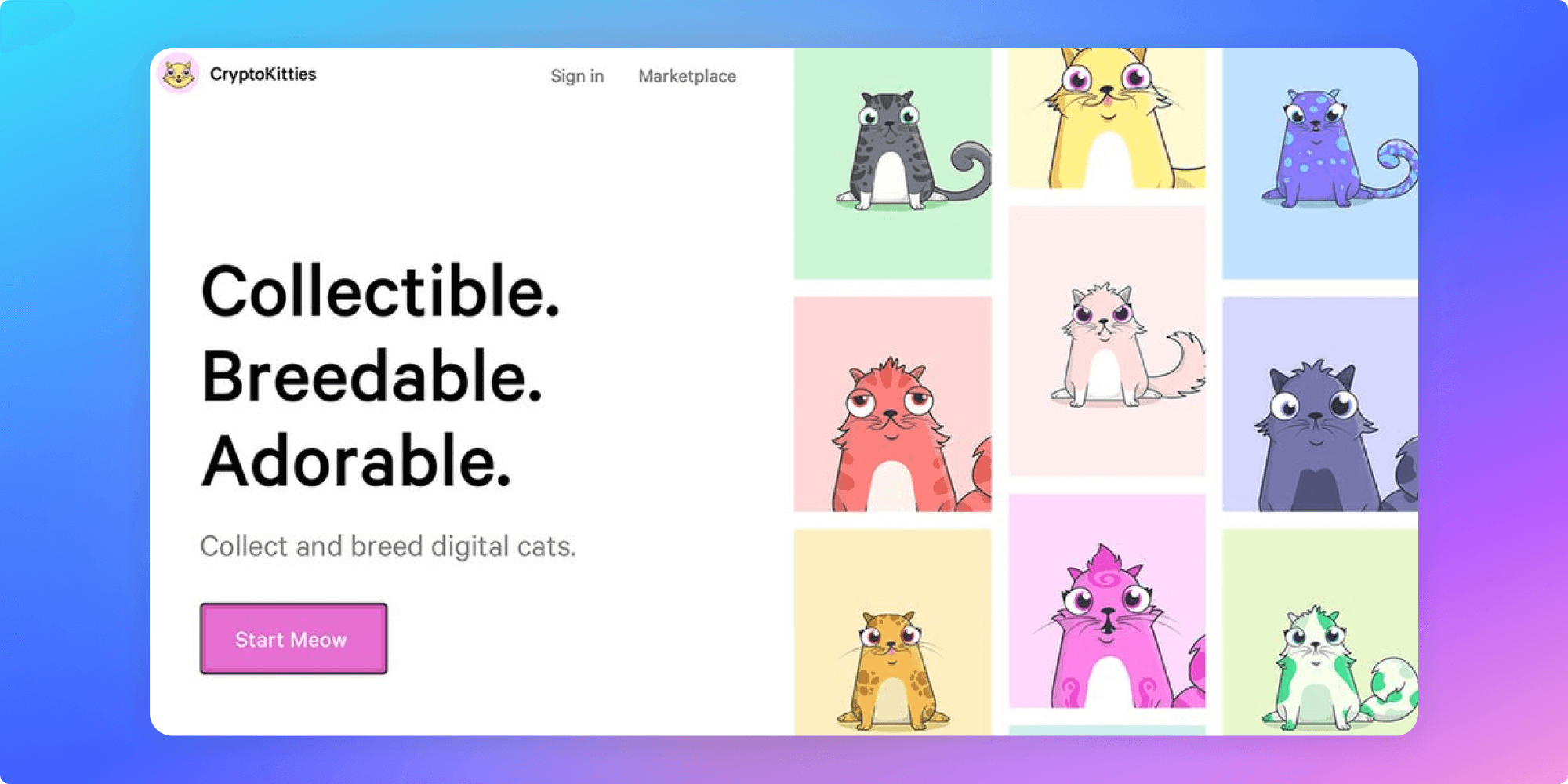
Exploring the Rise of NFTs: What You Need to Know About Digital Collectibles
The rise of Non-Fungible Tokens (NFTs) has transformed the way we perceive and interact with digital collectibles. Unlike traditional cryptocurrencies, which are interchangeable, NFTs represent unique items or content on the blockchain. This uniqueness enables creators to tokenize everything from digital art and music to virtual real estate and in-game assets. As the demand for digital ownership grows, understanding the implications of NFTs becomes crucial for both collectors and investors. They offer a new opportunity to own a piece of digital culture, but also raise important questions about copyright, scarcity, and value.
As the NFT market continues to flourish, it is essential to stay informed about key factors influencing this phenomenon. Here are a few points to consider:
- Market Trends: The NFT market has seen explosive growth, with some pieces selling for millions of dollars.
- Technological Foundations: Built on blockchain technology, NFTs ensure authenticity and provenance.
- Environmental Concerns: The carbon footprint of minting NFTs has sparked debates about sustainability.
Counter-Strike is a highly competitive first-person shooter that has captivated players since its inception. It revolves around team-based gameplay, where players take on the roles of terrorists and counter-terrorists in various objective-based modes. Players can enhance their gaming experience by utilizing resources such as a daddyskins promo code to gain unique skins and items.
How to Start Trading Digital Collectibles: A Beginner's Guide
In recent years, digital collectibles have surged in popularity, attracting both seasoned investors and newcomers alike. To start trading these unique assets, it's vital to first understand what they are. Digital collectibles are often tied to blockchain technology, which ensures their authenticity and scarcity. Before diving in, consider the following steps to navigate this exciting market:
- Research: Familiarize yourself with various types of digital collectibles such as NFTs (non-fungible tokens), digital art, and virtual trading cards.
- Choose a Platform: Select a reputable marketplace for trading. Some popular options include OpenSea, Rarible, and Foundation.
- Create a Digital Wallet: Set up a wallet like MetaMask or Coinbase Wallet to securely store your collectibles and cryptocurrency.
Once you've set up your digital wallet and chosen a platform, the next step is to start trading digital collectibles. Here are some valuable tips to keep in mind:
- Stay Informed: Follow the latest trends and news in the digital collectibles space to make informed decisions.
- Network: Join online communities, forums, or social media groups related to digital collectibles to connect with other traders and gather insights.
- Practice Caution: As with any investment, start small and never invest more than you can afford to lose.
Are Digital Collectibles the Future of Investing?
The rise of digital collectibles has sparked significant interest in the investment community, with many experts debating whether these assets represent the future of investing. Unlike traditional collectibles, digital assets are often secured by blockchain technology, providing proof of ownership and authenticity. Investors are increasingly drawn to unique digital items such as non-fungible tokens (NFTs), which can range from digital art and music to virtual real estate. This shift from physical to digital assets is not just a passing trend; rather, it reflects a fundamental change in how value is perceived and transferred in the digital age.
Furthermore, the market for digital collectibles has shown tremendous growth, with sales reaching into the billions. As more platforms emerge for buying, selling, and trading these assets, investors are presented with new opportunities to diversify their portfolios. However, it is essential to approach this new investment frontier with caution, as the volatility and speculative nature of digital collectibles can pose significant risks. Ultimately, the future of investing may well be intertwined with the evolution of digital collectibles, as they offer a glimpse into a world where ownership and value are increasingly digital.