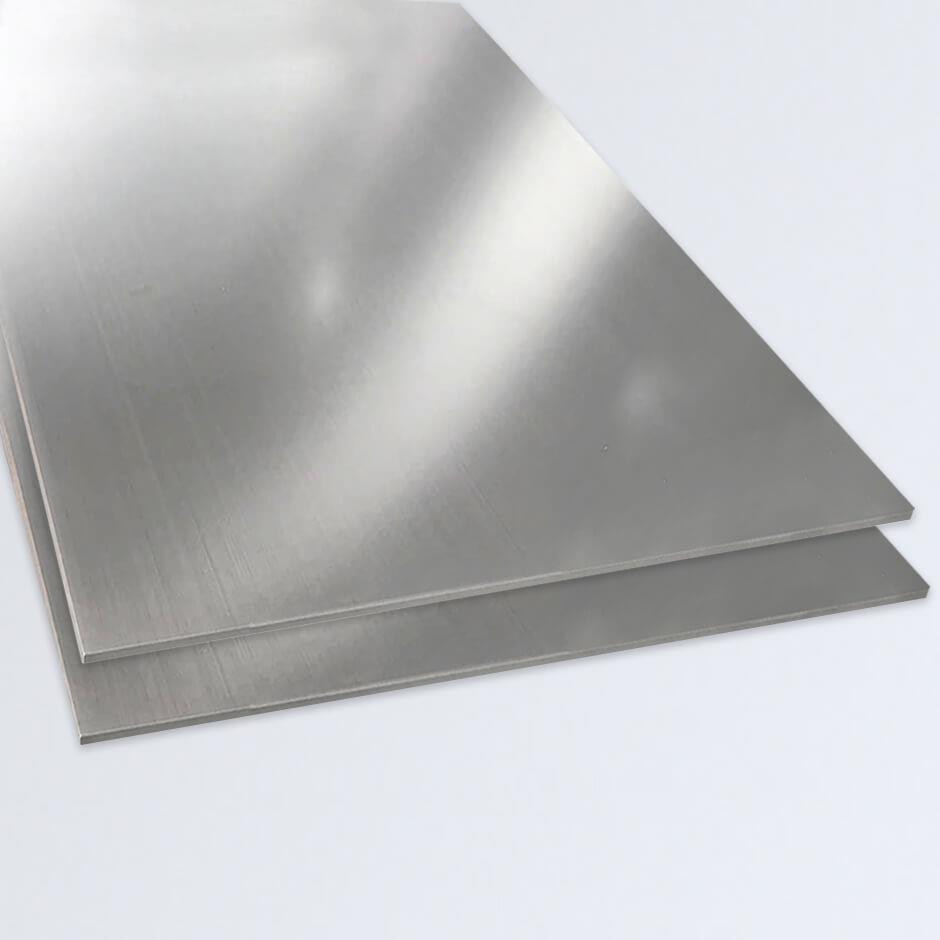
The Incredible Versatility of Aluminum: Applications Beyond Your Imagination
Aluminum, a lightweight and corrosion-resistant metal, has proven its remarkable versatility across numerous industries. Its applications extend far beyond traditional uses, encompassing areas such as aerospace, automotive, and construction. In the aerospace sector, aluminum is a pivotal material due to its fantastic strength-to-weight ratio, which enhances fuel efficiency in airplanes. Similarly, in the automotive industry, manufacturers utilize aluminum to produce lighter vehicles that improve performance and reduce emissions. Additionally, aluminum's natural resistance to rust makes it an ideal choice for building exteriors, windows, and roofing, ensuring longevity and durability.
Beyond these well-known applications, the versatility of aluminum stretches into innovative territories like packaging, electronics, and even food storage. For instance, aluminum foil and cans have revolutionized the way we preserve food, showcasing its impermeability to light and moisture. In the realm of electronics, aluminum is commonly found in smartphones and laptops, where its thermal conductivity aids in heat dissipation. As technology advances, the adaptability of aluminum allows for groundbreaking designs and solutions that challenge conventional materials. It's clear that the remarkable qualities of aluminum make it an indispensable resource across a multitude of fields, igniting opportunities limited only by our imagination.
If you're looking to elevate your laptop setup, check out the Top 10 Aluminum Laptop Stands. These stands not only provide ergonomic benefits by raising your screen to eye level but also enhance airflow to keep your device cool. Whether you need portability for travel or a sturdy base for home use, the right aluminum laptop stand can significantly improve your working experience.
Why Aluminum is the Key to Sustainable Building Practices
As the world shifts towards eco-friendly building practices, aluminum emerges as a crucial player in sustainable construction. Known for its lightweight properties and high strength-to-weight ratio, aluminum reduces the overall energy expenditure in building projects. When used in the architectural framework, it not only minimizes the need for excess materials but also enhances energy efficiency by improving insulation. This characteristic is essential for cutting down energy costs and reducing the carbon footprint of buildings.
Moreover, aluminum's recyclability significantly contributes to its status as a sustainable building material. Unlike many other construction materials, aluminum can be recycled repeatedly without degradation of its properties. In fact, the recycling process requires only 5% of the energy used to produce new aluminum, making it a wise choice for environmentally conscious builders. By integrating aluminum into building designs, developers can achieve lower environmental impact while promoting a circular economy and resource conservation.
How Aluminum Revolutionized Transportation: A Look at Modern Vehicles
The advent of aluminum in the transportation industry has truly transformed the way vehicles are designed and manufactured. By significantly reducing the weight of automobiles, aluminum allows for greater fuel efficiency and enhanced performance. In fact, modern vehicles that utilize aluminum can improve their fuel economy by up to 30% compared to their steel counterparts. As a result, car manufacturers are increasingly adopting aluminum components, including body panels, chassis, and even engine parts, to meet stringent emission standards and consumer demand for eco-friendly options.
Moreover, the versatility of aluminum extends beyond just automobiles; it has also made a significant impact on the aviation and maritime industries. Since aluminum is resistant to corrosion and lightweight, aircraft manufacturers have turned to it as a primary material for building fuselages and wings, which contributes to enhanced operational efficiency and lower maintenance costs. Similarly, boats and ships made with aluminum can achieve higher speeds and better maneuverability on the water. Clearly, aluminum has revolutionized transportation by offering innovative solutions that improve performance, safety, and sustainability across various vehicle types.