Top 5 Backup Solutions to Secure Your Digital Assets
In today's digital age, safeguarding your data is more crucial than ever. Effective backup solutions not only protect against unforeseen events such as hardware failures or cyber threats, but they also ensure that your valuable information remains intact and accessible. Here, we present the Top 5 Backup Solutions to Secure Your Digital Assets that cater to a variety of needs, preferences, and budgets.
- Cloud Storage Services - Services like Google Drive, Dropbox, and Microsoft OneDrive provide reliable cloud-based solutions that allow you to access your files from anywhere while ensuring they are securely backed up.
- External Hard Drives - A physical backup through external hard drives is a straightforward way to keep a copy of your critical files. Brands like Seagate and Western Digital offer ample storage space and portability.
- Network Attached Storage (NAS) - For small businesses or tech enthusiasts, NAS devices offer a robust solution for automatic backups and file sharing across multiple devices in a local network.
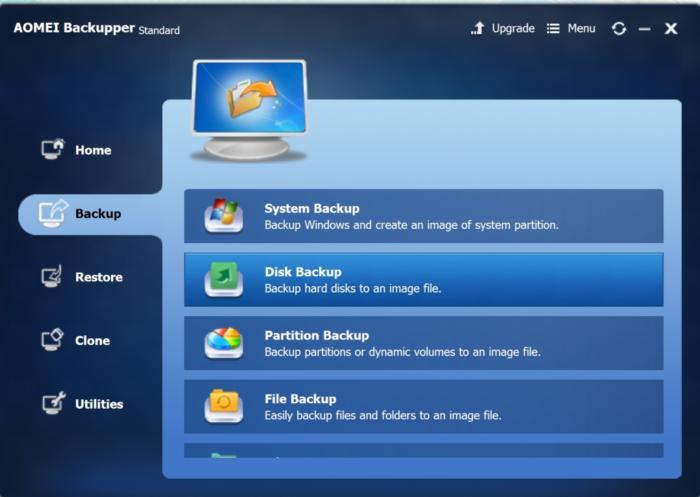
- Backup Software - Programs like Acronis True Image and EaseUS Todo Backup allow for scheduled backups of your entire system or specific files, providing flexibility in data protection.
- Hybrid Backup Solutions - Combining both cloud and local backups, hybrid solutions offer the best of both worlds, ensuring redundancy and quick recovery options.
Counter-Strike is a highly popular team-based first-person shooter game that has captivated gamers since its release. Players can choose to fight as terrorists or counter-terrorists, engaging in strategic gameplay across various maps. If you're looking to enhance your gaming experience with fast loading times, consider checking out the Top 10 external ssds for mac that can help improve performance.
How to Choose the Right Backup Strategy for Your Needs
Choosing the right backup strategy for your needs is crucial for safeguarding your data against unexpected loss. Start by assessing your data types and their importance. For instance, if you handle sensitive client information or critical business documents, a more robust method such as cloud backups combined with local storage may be necessary. Additionally, consider the frequency of data change—if you update files daily, opt for a strategy that allows for multiple backups throughout the day to prevent loss of recent changes.
Next, evaluate the cost-effectiveness of your options. There are several backup solutions available, from open-source software to subscription-based services. Here are three popular choices to consider:
- Full backups: All data is backed up at once, providing a complete snapshot but requiring substantial storage space.
- Incremental backups: Only the data that has changed since the last backup is saved, which can save time and storage.
- Mirror backups: An exact copy of your data is maintained, allowing for quick recovery but requiring vigilance to update regularly.
Ultimately, the right strategy integrates your data needs, budget, and restoration speed to ensure you are fully prepared for any data disaster.
Are Your Files Safe? The Importance of Regular Data Backups
In today's digital age, the question Are Your Files Safe? is more critical than ever. With the increasing threat of data loss due to hardware failures, cyber attacks, or even accidental deletion, ensuring that your files are adequately backed up is a fundamental part of data management. Regular data backups act as your safety net, allowing you to restore your vital information effortlessly when disaster strikes. Here are a few reasons why prioritizing backups is essential:
- Protection against data loss.
- Easy recovery from system failures.
- Enhanced data security.
Moreover, the importance of regular data backups cannot be overemphasized. Studies show that around 60% of companies that lose their data shut down within six months of the disaster. Implementing a reliable backup strategy can safeguard your files and ensure business continuity. Whether you choose cloud storage, external hard drives, or automated backup solutions, creating a routine for backing up your files will minimize the risks associated with data loss significantly. Remember, a proactive approach is always better than a reactive one when it comes to protecting your digital assets.