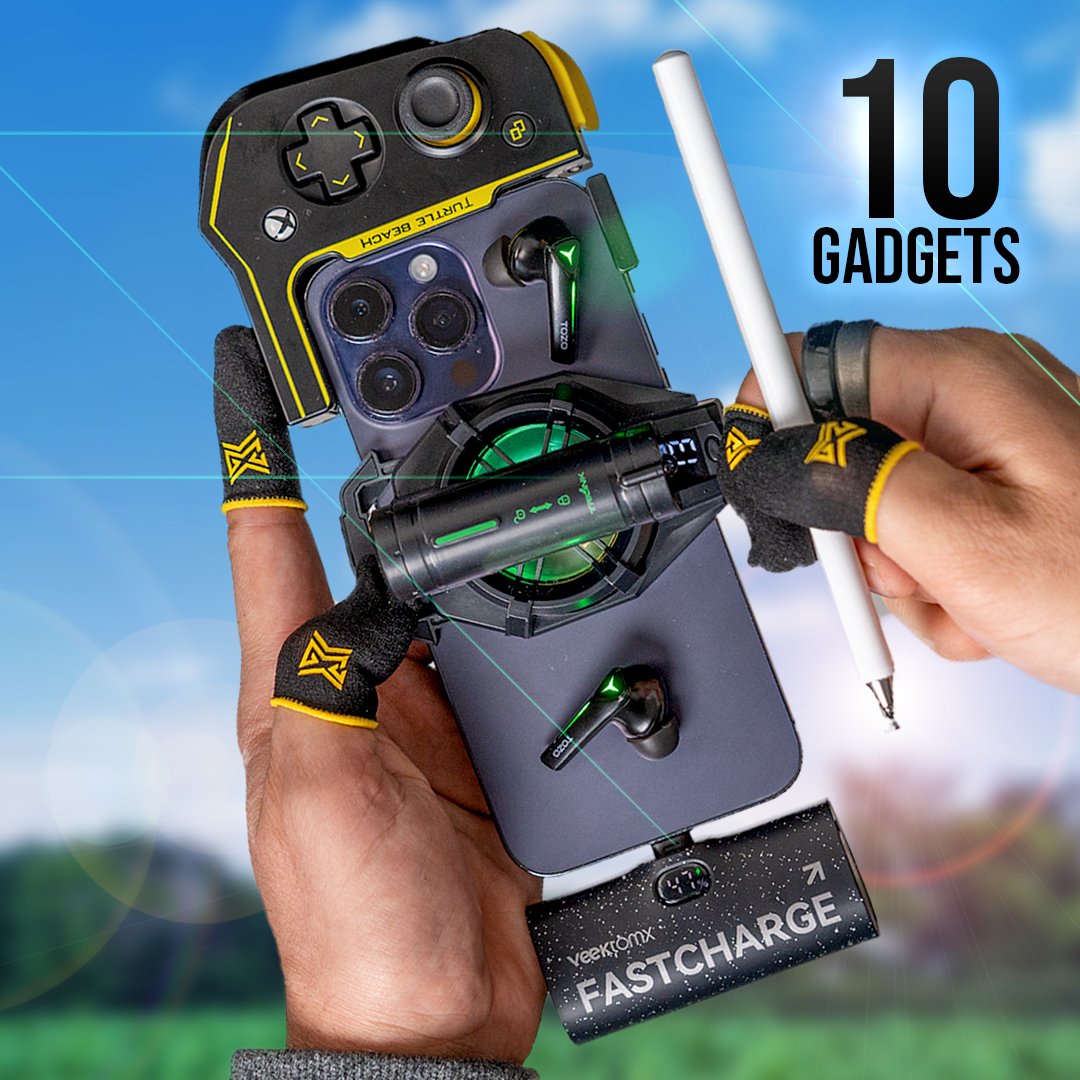
Top 10 Gadgets That Blur the Lines Between Science and Fiction
The rapid advancement of technology often brings forth gadgets that seem to leap right out of the pages of a science fiction novel. From wearable tech that monitors our health to intelligent home devices that learn our habits, these innovations are not just enhancing our everyday lives, but also blurring the lines between what we once considered possible. As we explore the top 10 gadgets that tiptoe into the realm of fiction, you'll discover devices that challenge our perceptions of innovation and creativity.
- Smart Glasses: Imagine wearing glasses that overlay information on your field of vision, providing real-time updates and navigation. Smart glasses like Google Glass have started to turn this dream into reality.
- Self-Driving Cars: Autonomous vehicles are on the road today, blending advanced AI with traditional car functionalities.
- Robot Assistants: Robotics are becoming more capable, with devices like Amazon's Alexa and Google's Assistant acting as personal aid.
- Augmented Reality (AR) Headsets: With devices like Microsoft HoloLens, AR has transformed how we interact with the digital world.
- 3D Printers: These printers can create objects from digital files, blurring the lines of manufacturing and creativity.
- Artificial Intelligence: AI technologies redefine problem-solving, mimicking human reasoning.
- Exoskeletons: Used in medicine and industry, these wearable machines enhance human strength and mobility.
- Smart Home Devices: From voice-activated lights to security systems, smart devices redefine home living.
- Biometric Scanners: Fingerprint and facial recognition technologies are revolutionizing security.
- Virtual Reality (VR): VR tech immerses users in lifelike experiences, making dreams feel real.
Counter-Strike is a highly popular first-person shooter game that has captivated millions of players worldwide. The game's competitive nature and team-based gameplay make it a staple in the esports scene. Players often strive to improve their skills, and besides gaming strategies, having the right gear can enhance performance. Check out the Top 10 Apple Watch Accessories for the Office for some great tools that can help you stay organized and efficient while you play.
Are We Living in a Simulation? Explore Gadgets That Challenge Our Perception of Reality
The question Are We Living in a Simulation? has fascinated philosophers, scientists, and tech enthusiasts alike, often blurring the lines between reality and illusion. As technology advances, our perception of reality is increasingly challenged by innovative gadgets designed to immerse us in alternate worlds. Virtual reality (VR) headsets, such as the Oculus Quest and HTC Vive, are prime examples of how these devices can create incredibly lifelike experiences, pushing the boundaries of what we perceive as real. By simulating environments and scenarios, they compel us to ponder whether our existence is merely a sophisticated simulation orchestrated by a higher intelligence.
Moreover, augmented reality (AR) tools, like Microsoft HoloLens and Pokémon Go, further complicate our understanding of reality by overlaying digital information onto the real world. This fusion of the digital and physical realms not only enhances our interaction with our surroundings but also raises intriguing questions about the nature of existence and consciousness. As we embrace these technologies, it becomes essential to consider their implications. Could these immersive experiences serve as a gateway to understanding and potentially proving the theory that we are, in fact, living in a simulation? The exploration of these gadgets invites us to rethink the fabric of reality itself.
How Augmented Reality Devices Are Changing Our Understanding of the World Around Us
Augmented reality (AR) devices are revolutionizing the way we perceive and interact with our environment. By overlaying digital information onto the physical world, AR technology enhances our understanding of complex concepts, making learning more engaging and intuitive. For instance, educational tools that utilize AR can superimpose anatomical structures over a human body, allowing students to visualize and explore the intricacies of biology in ways that traditional textbooks cannot. This immersive experience not only aids retention but also fosters a deeper connection with the material, fundamentally altering our approach to education.
In addition to education, AR devices are transforming diverse fields such as architecture, healthcare, and retail. Architects can utilize AR to visualize buildings in real-world settings, providing clients with an accurate depiction of how structures will coexist with their surroundings. Similarly, in healthcare, AR applications can assist surgeons by overlaying critical information during operations. Retailers are also leveraging AR to enhance customer experiences by allowing consumers to virtually 'try on' products before making a purchase. As AR technology continues to evolve, its potential to reshape our interactions with the world is becoming increasingly profound.