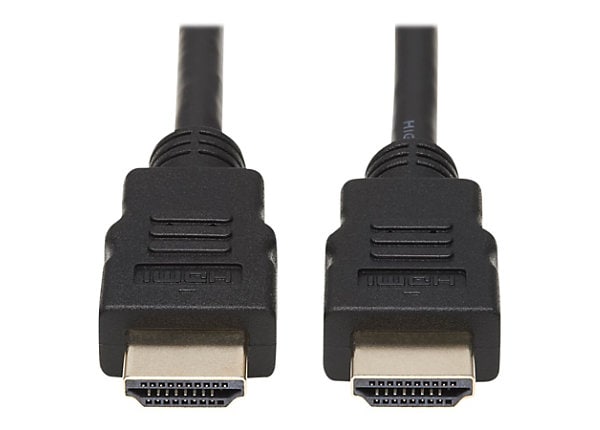
Understanding HDMI: How It Transforms Your Home Entertainment Experience
HDMI, or High-Definition Multimedia Interface, is a revolutionary technology that has transformed the way we experience home entertainment. By providing a single cable solution for both high-definition video and audio, HDMI eliminates the clutter of multiple cables while ensuring superior signal quality. This means that whether you are watching a movie, playing a video game, or streaming your favorite shows, HDMI delivers a seamless experience that enhances image clarity and sound fidelity, allowing you to immerse yourself fully in the content.
As the demand for high-definition content continues to grow, understanding HDMI becomes increasingly important. Not only does it support various resolutions, including 4K and even 8K, but it also accommodates advanced features like HDR (High Dynamic Range) for richer colors and deeper contrast. With multiple versions of HDMI available, such as HDMI 2.1 for gaming and HDMI ARC (Audio Return Channel) for simplified audio setup, knowing how to optimize your devices can significantly elevate your viewing experience. Additionally, HDMI cables are now more accessible than ever, making it easier for consumers to upgrade their home systems without breaking the bank.
Counter-Strike is a popular tactical first-person shooter game that pits two teams against each other, often labeled as terrorists and counter-terrorists. Players engage in various game modes, with objectives that typically involve planting or defusing bombs and rescuing hostages. For gamers looking to enhance their play experience, finding the right display can be crucial; check out the Top 10 external monitors for mac to optimize your setup.
The Evolution of HDMI: From Standard to 4K and Beyond
The evolution of HDMI has revolutionized the way we connect and enjoy our multimedia devices. Introduced in 2003, HDMI (High-Definition Multimedia Interface) started as a solution to simplify the connectivity of various devices by transmitting both high-definition video and audio through a single cable. Over the years, several versions have been released, with the initial version 1.0 supporting 1080p resolutions. As technology progressed, HDMI saw critical updates such as version 1.4, which included support for 4K resolution and 3D video, catering to the growing demand for enhanced viewing experiences.
As we move beyond 4K, the advancements in HDMI technology continue to push the boundaries of digital display standards. The release of HDMI 2.1 introduced features such as 8K resolution support, Dynamic HDR, and enhanced audio return channel (eARC). These innovations not only meet the needs of cutting-edge gaming consoles and high-resolution televisions but also ensure compatibility with future formats. The evolution of HDMI demonstrates its adaptability in an ever-changing technological landscape, affirming its role as a cornerstone in the world of digital connectivity.
Top 5 Common HDMI Issues and How to Troubleshoot Them
High-Definition Multimedia Interface (HDMI) cables are essential for connecting devices like TVs, gaming consoles, and computers, but users often encounter common issues. One of the primary problems is no signal, which can happen due to loose connections or faulty cables. To troubleshoot this, ensure that the HDMI cable is securely connected to both devices and try a different HDMI port if available. If the problem persists, consider testing with another HDMI cable to rule out the possibility of a defective one.
Another frequent issue is audio not working when using HDMI. This usually indicates a misconfiguration in the audio settings. First, check the device settings to ensure the HDMI audio output is selected. You can also navigate to your device's sound settings and adjust the output device accordingly. If you're using a television, make sure the right audio input is chosen. If these steps do not solve the problem, restarting both devices can often reset the connection and resolve the issue.