The Secret Life of Charging Cables: How They're Made and Why It Matters
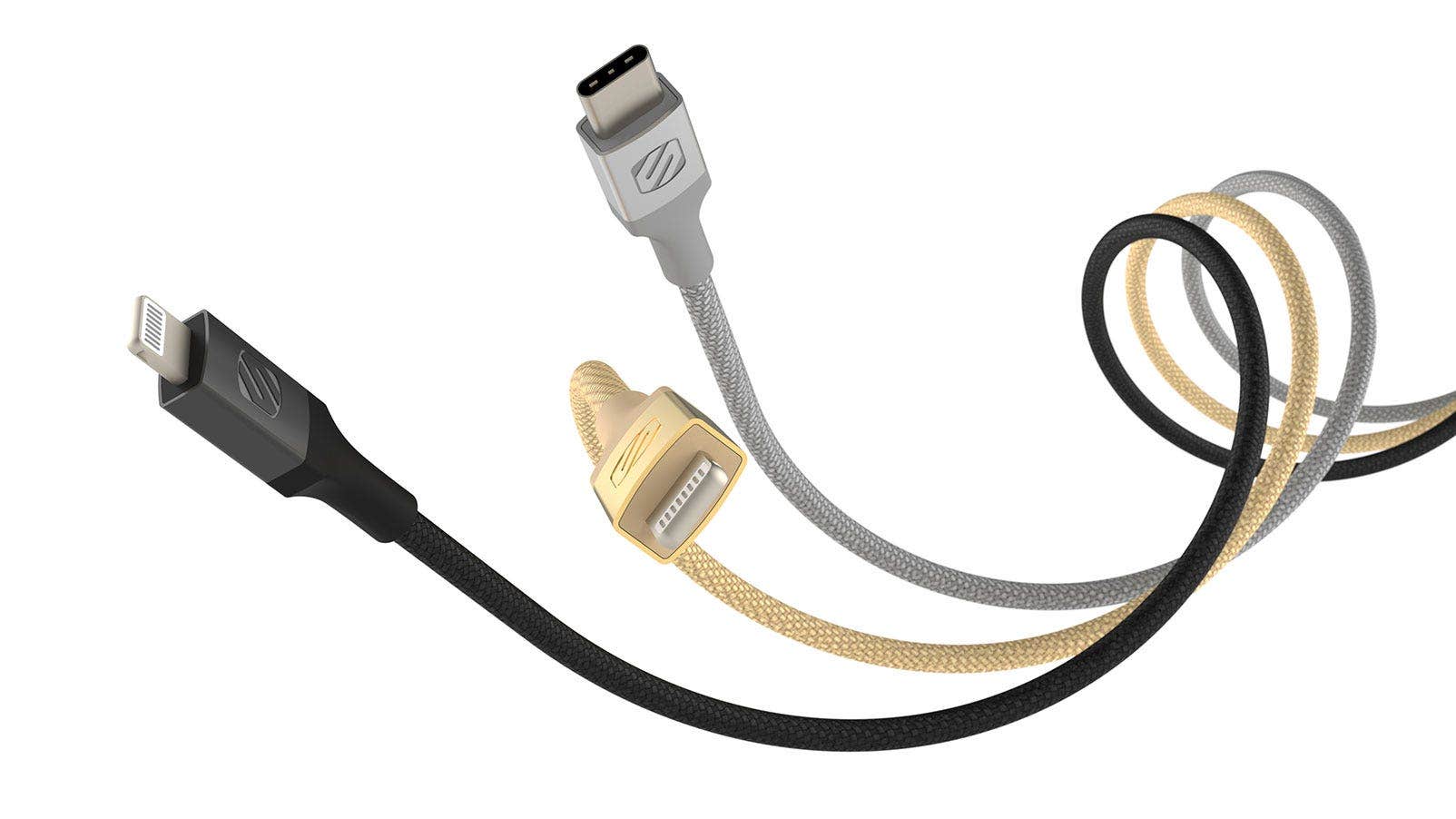
Charging cables might seem like ordinary accessories, but there’s a fascinating production process behind them that begins with the selection of raw materials. Manufacturers use a combination of copper for conductivity, plastic for insulation, and various metals for connectors. These materials are carefully sourced to ensure they meet industry standards for safety and performance. Once the materials are gathered, the production process involves several stages, including extrusion, where the copper wires are covered with insulation, and molding, where the connectors are shaped. The assembly line workers then meticulously piece together the cables, ensuring that each element is in place and properly secured.
Understanding how charging cables are made is crucial because the quality of these cables can greatly impact your device's performance and longevity. Poorly constructed cables can lead to increased charging times, overheating, or even damage to the device itself. That's why it's essential to invest in reputable brands that prioritize quality manufacturing. In fact, certifications such as MFi (Made for iPhone/iPad) or USB-IF compliance guarantee that the cables you’re using meet necessary standards. So, the next time you reach for a charging cable, remember that its journey from raw materials to your hands involves a complex process that plays a significant role in keeping your devices powered and safe.
Counter-Strike is a highly popular multiplayer first-person shooter game that pits teams of terrorists against counter-terrorists in various objective-based scenarios. Players can choose from different weapons and strategies as they compete in fast-paced matches that require teamwork, skill, and precision. If you’re looking to enhance your gaming experience, check out our Top 10 Short Charging Cables to keep your devices powered during intense gameplay.
How to Choose the Right Charging Cable for Your Device: A Complete Guide
Choosing the right charging cable for your device is crucial to ensure optimal performance and safety. With a plethora of options available, it's essential to consider several factors. Start by identifying your device's compatibility; different devices may require specific types of cables such as USB-C, Micro-USB, or Lightning connectors. Additionally, pay attention to the cable's length. A cable that is too short can limit your usage, whereas one that is excessively long can create clutter. Finally, assess the cable's charging speed, which is measured in amperes (A). A higher amperage will typically charge your device faster, so choose a cable that meets your device's power needs.
Another important aspect to consider is the build quality of the charging cable. Look for cables that are reinforced at the connectors and made from durable materials to reduce wear and tear over time. If you're often on the go, consider investing in a portable charging cable that is tangle-free and easy to carry. Moreover, reading user reviews can provide additional insight into the reliability of a cable. To summarize, when selecting the right charging cable, keep in mind the compatibility, length, charging speed, and build quality to make an informed choice aimed at enhancing your device's charging efficiency.
Can Your Charging Cable Affect Your Device’s Performance?
When it comes to charging your devices, many users overlook the impact of their charging cable on overall performance. A low-quality or damaged cable can lead to inconsistent power delivery, which may cause your device to charge slowly or even overheat. This inconsistency can affect the battery health over time, potentially leading to poorer battery life and performance. Additionally, using a cable that does not support the optimal charging specifications for your device can result in inadequate power supply, which may hinder the device's ability to perform at its best during intensive tasks.
Moreover, the choice of charging cable can influence not just charging speed, but also data transfer rates. For instance, if you are using a cable that is not designed for high-speed data transfer, you might experience slower sync times or interruptions when transferring files between your device and a computer. Always ensure that the cable you are using is certified and compatible with your device to avoid these issues. Investing in a high-quality cable can significantly enhance your device's performance and longevity, making it a crucial component for device optimization.